DustyNewt
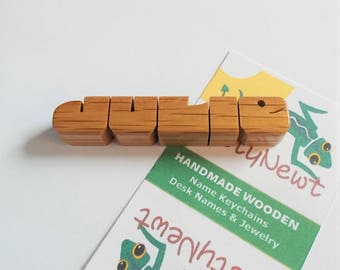
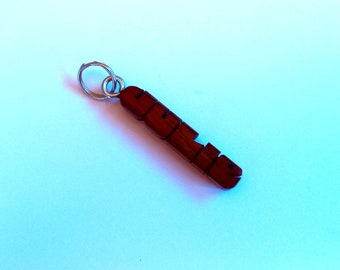
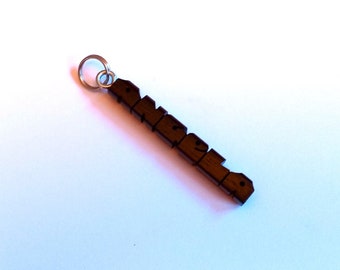
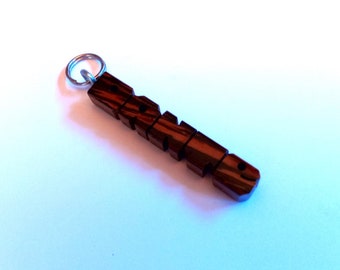
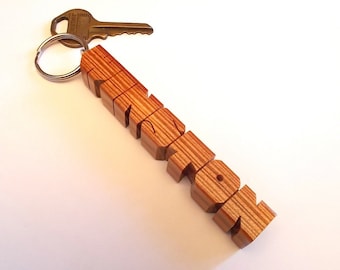
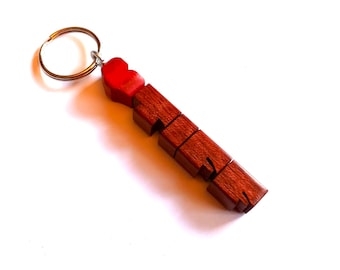
Wood Name Chopsticks, Keychains and Desk Names

Announcement
Custom pieces individually handmade, usually a 3 to 5 day production time.
Domestic and Exotic woods - Over 16 to select from.
"Sneak Peeks" when your order is completed.
Florida (USA) maker owned and operated. Shipped worldwide.
Featured items
Items


All Items







Reviews
-

likeawarmkitten on Apr 14, 2024
5 out of 5 starsThese were a gift. She loves them. I couldn't be happier with my purchase.❤
-
-

-

-
Shane on Mar 15, 2024
5 out of 5 starsSo beautiful and perfect. Thank you so much. She's going to love it.
-

-

Tiffany on Apr 23, 2024
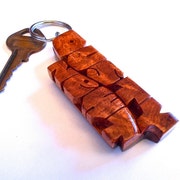
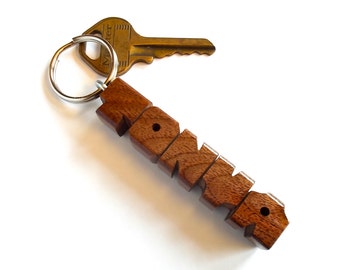
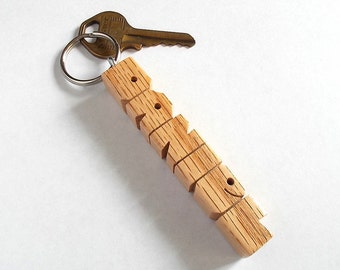
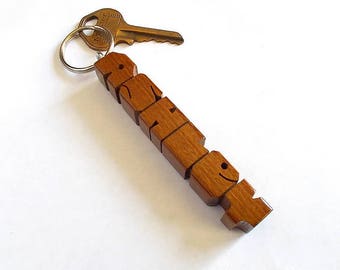
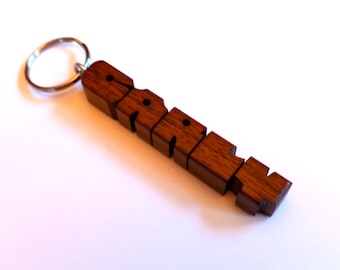
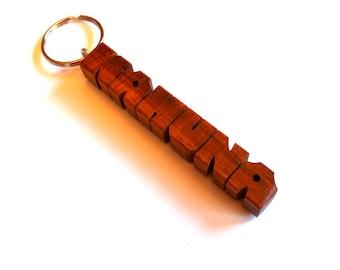
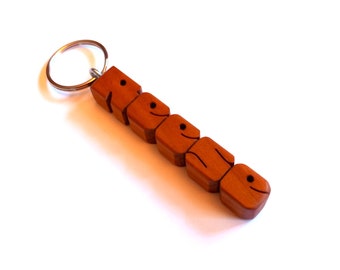
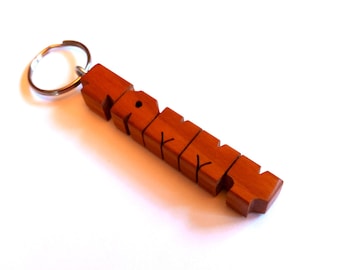
5 out of 5 starsI have ordered a ton of items from this shop over the last several weeks. They have all been perfect, with quick arrival and customer service that goes above and beyond. This wave keychain has to be my very favorite of all the ones I’ve ordered! It’s the perfect size, easy to read but creative, and doesn’t add much weight to my keys. This is a stellar shop. I’m sure I’ll be back again at some point!
-

-
Sally on Apr 15, 2024
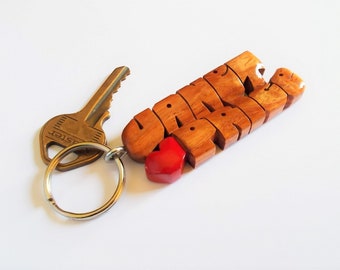
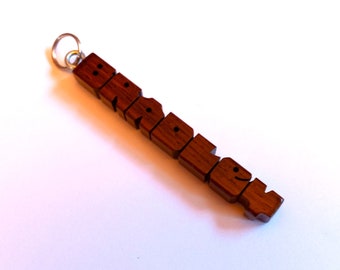
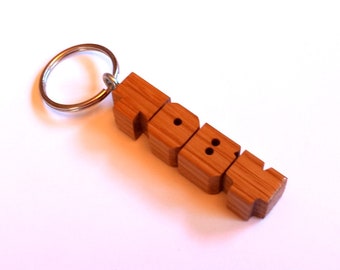
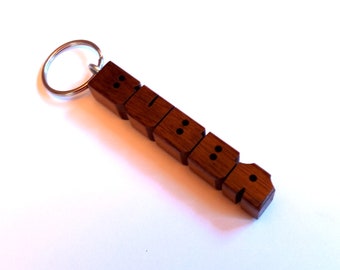
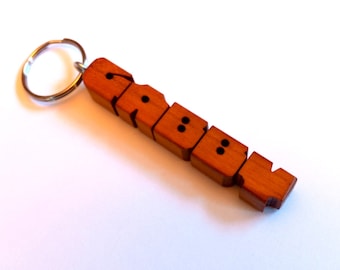
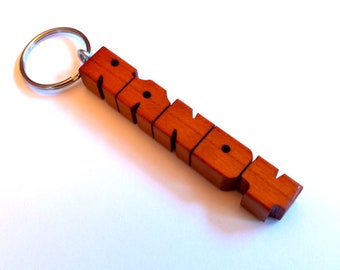
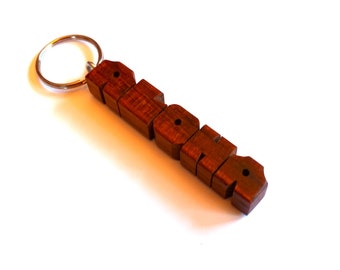
5 out of 5 starsI ordered two keychains for my kids house keys. They turned out so lovely. The names carved are very detailed and refined. I love them.
-




About DustyNewt
-
-
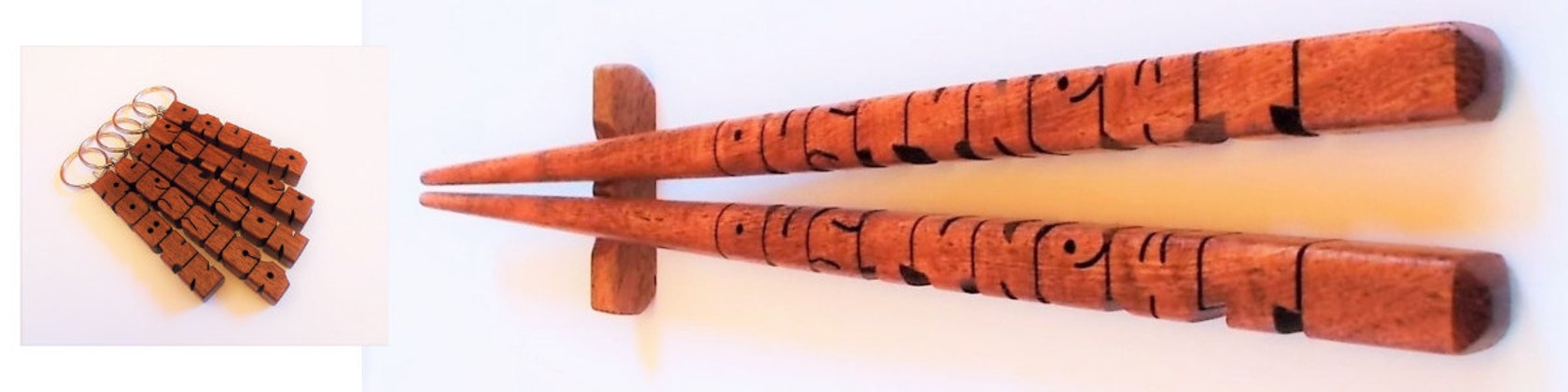
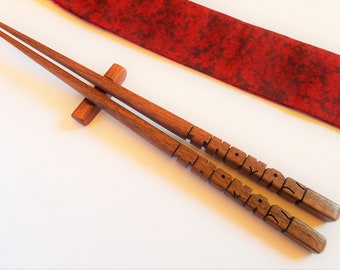
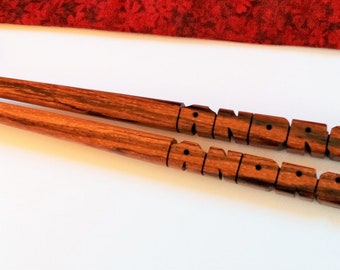
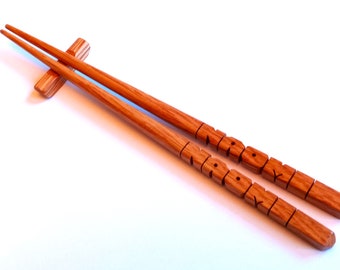
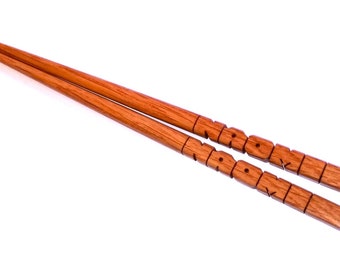
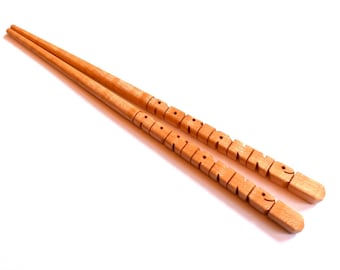
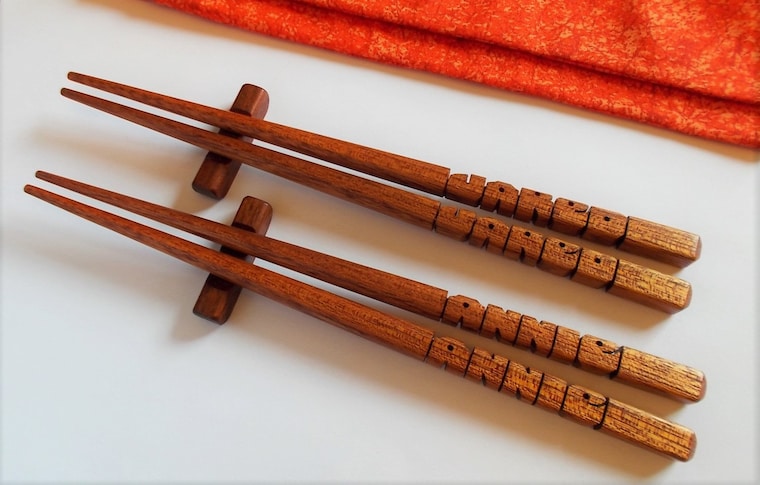 Custom Chopsticks available in 12+ wood species (Sipo Mahogany shown).
 -
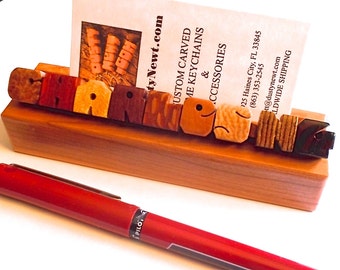
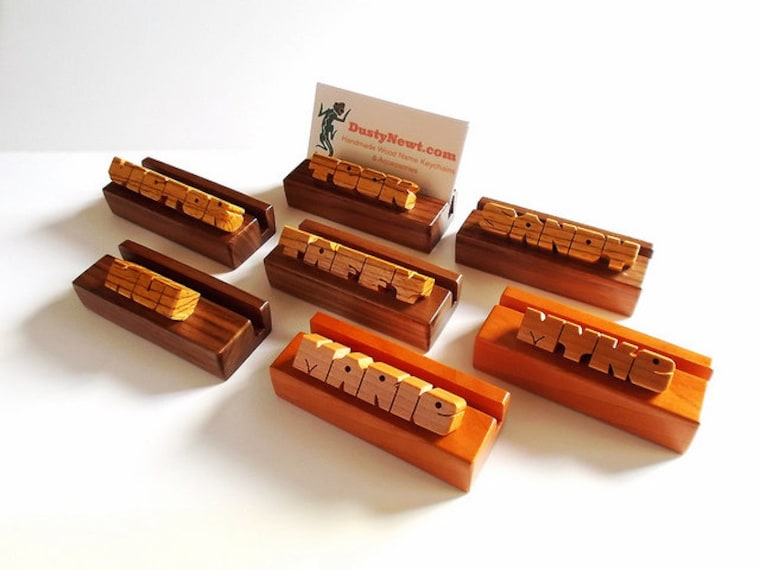 Desk Names and Business Card stands.
 -
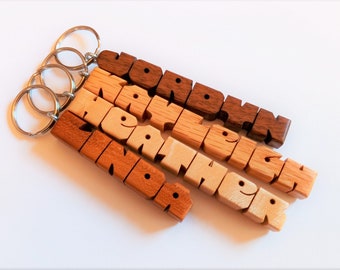
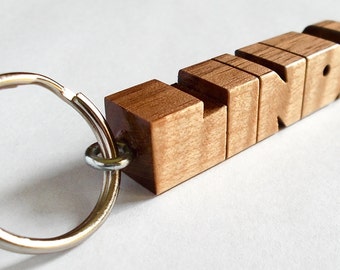
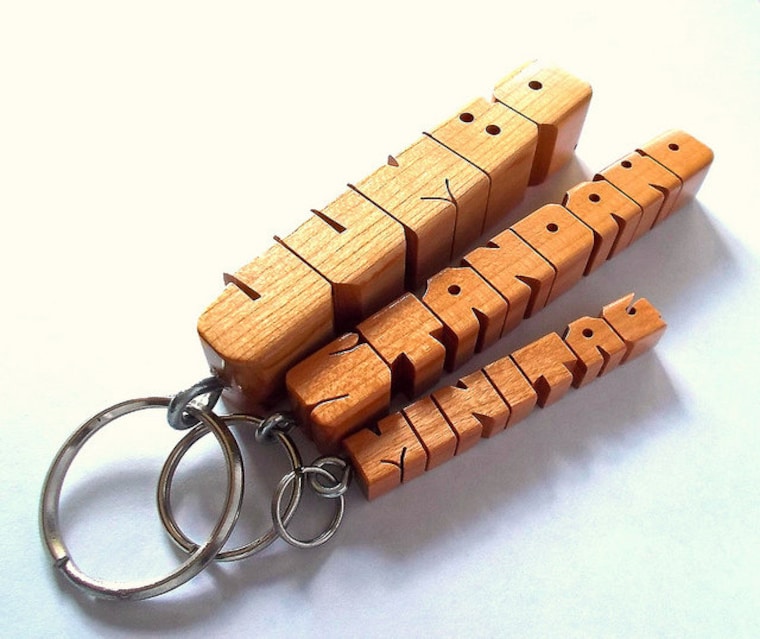 My 3 sizes: 3/4" Jumbo, 1/2" Standard, 3/8" MiniTag
 -
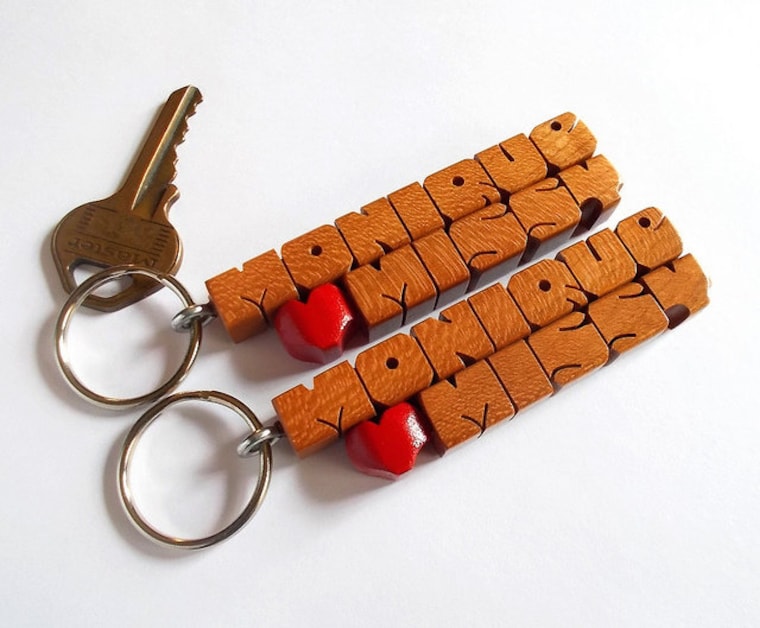 Love Keychains
"Conquering the world... one name at a time."
Shop members
-

Scott
Owner, Maker, Designer, Curator
Carving names since 1980.
Shop policies
Shipping
Customs and import taxes
Payment options
Returns & exchanges
Cancellations
Cancellations: accepted
Request a cancellation: within 1 hour of purchase
Privacy policy
More information
Frequently asked questions
Can you carve my name?
Yes! At no extra cost, all of my personalized items can be custom made to say what you want, within that item's limitations. Each piece is individually carved to order. Just leave a note in checkout with what you want it to say.
Will my order be here on time?
I will generally carve and ship your items within 3 to 5 business days. USPS usually takes an additional 4-5 business days to arrive. International orders generally take 15-30 business days.
Do you have discounted/wholesale prices?
Yes! From January - October, I will discount orders of 5 or more of certain items. Just send me a message with the woods desired and the list of what you'll need carved. I will send you a quote. If satisfactory, I will create a "Reserved" listing for you to purchase.
However, due to Holiday demand, I do NOT generally offer discounts during the months of November and December. So, order early for the best holiday prices.
Do you carve other fonts?
Sorry, but no. I carve my names in a free-hand style that I have developed over the last 36 years with strength and readability in mind. They are durable. Other fonts do not hold up to the rigors of everyday keychain abuse. For strength considerations, I only do all caps except for the lower case "e" which is stronger than the cap.
Can I order a gift to be shipped to another address?
Sure! Just make sure you put the correct shipping address during checkout. So you can see what you have ordered, I always post a "Sneak Peek" when completed, on my DustyNewt Facebook page and on my website.
Are these keychains durable?
Yes. They are carved from solid hardwoods and will give years of service. The letter style I have developed minimizes "short grain" which weakens the piece. I guarantee satisfaction.
Seller details
Captcha failed to load. Try using a different browser or disabling ad blockers.